How the Ontario Government Used the Fall Session to Drive Ontario-First Economic Security
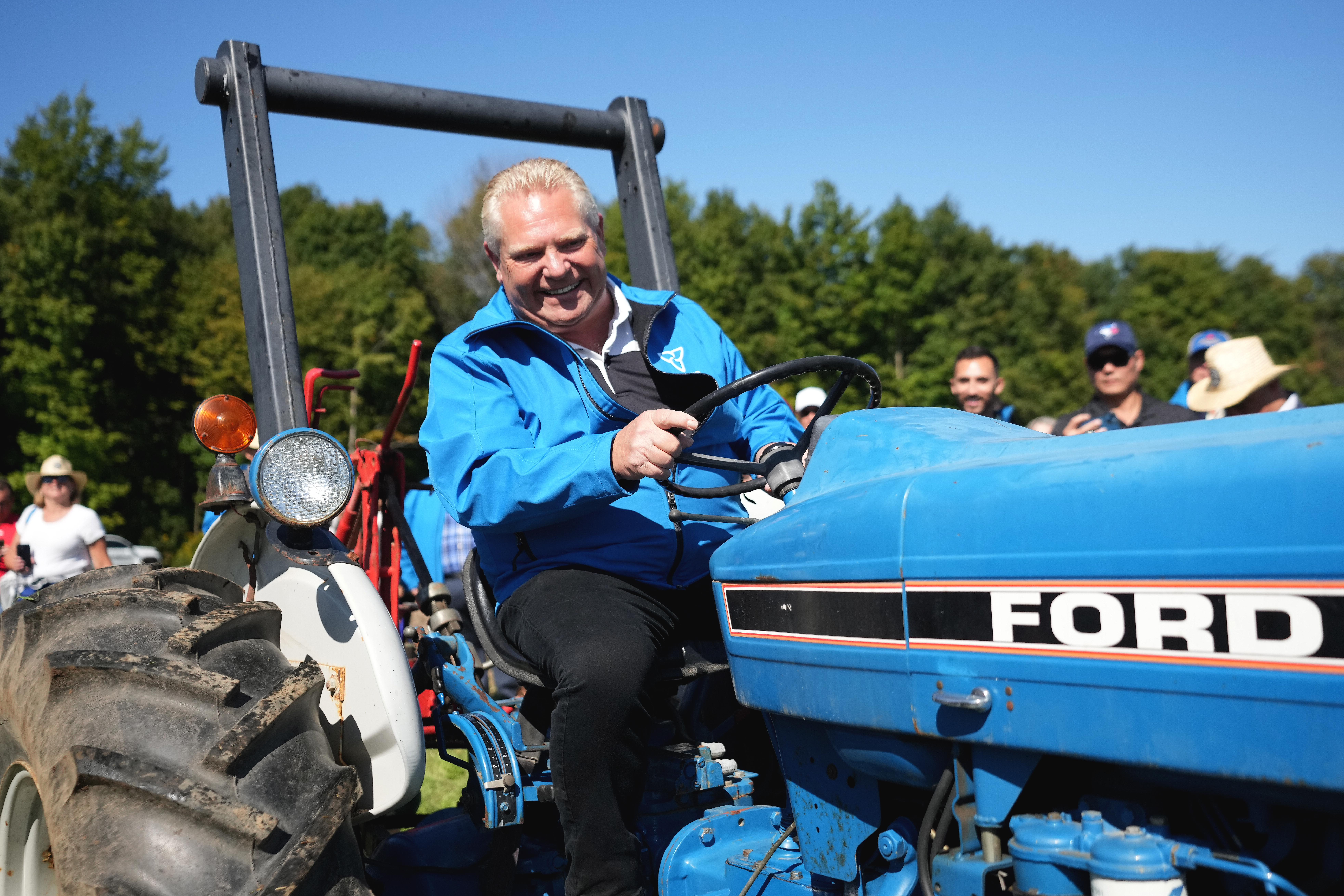
The Fall Session of the Ford Government’s rare 3rd majority mandate closed with the same defining theme that powered the February election, Premier Ford positioning himself as Ontario’s protector, fully in command of the province’s direction. Whether on economic security, resource development, procurement or housing, the message remained consistent – Ontario will steer its own course with the Premier’s hands firmly on the wheel.
During Question Period, media scrums or debate, the Government’s pitch was a message of resilience: protect Ontario from global shocks by doubling down on our strengths. Ontario’s resources, industry and ability to build are the foundation of the plan. And driving it all was speed, acting early and decisively to keep Ontario ahead of emerging economic risks.
The Resources Superpower
The province leaned hard into the resources superpower narrative. The message was bold and politically effective, resonating with key additions to the Ford voter base: northern Ontario, southwestern Ontario and private sector union workers.
The government’s sustained push into critical mineral development and nuclear expansion is less about flashy megaprojects and more about embedding self-reliance into our energy and industrial sectors. Bill 40 added economic growth as a directive to Ontario’s energy agencies, a significant shift from the environmental focus of recent governments and a return to Ontario’s growth-driven ambitions of the 20th century. The Ring of Fire was showcased in a major advertising campaign as a symbol of Ontario’s long-term potential and the economic link between North and South.
Predictions that protests and political fallout from this spring’s Bill 5 debate would continue and stall the government’s agenda did not come to fruition. Instead, the government has emphasized partnership and co-development with First Nations on energy projects and resource development. The success of this approach has been demonstrated by the signing of several milestone Community Partnership Agreements with First Nations, setting the stage for construction to begin next year on the road to the Ring of Fire.
“Buy Ontario” – BOBIA Grows Up and Gets Teeth
The theme of economic self-reliance advanced on two fronts: Bill 56, a sweeping red tape package aimed at streamlining regulatory approvals and administrative burdens across multiple sectors and Bill 72, the Buy Ontario Act. The Buy Ontario Act was a far more assertive version of Ontario-first procurement for the broader public sector. The original Building Ontario Businesses Initiative Act, 2022 (BOBIA) offered thresholds and incentives. The Buy Ontario Act is far bolder with province-wide procurement directives, mandatory domestic vendor lists and penalties for non-compliance.
The message is as clear as it is a departure from Progressive Conservative orthodoxy: if you want to do business in Ontario, you must operate under Ontario-first rules. Opposition Parties supported the Act, a rare moment of cross-party alignment this session. This evolution in policy will create a hyper-competitive landscape with significant implications for which companies make the approved vendor lists, and which do not.
Housing and Infrastructure – The Steel Toes Dig In
Municipal Affairs and Housing Minister Rob Flack has taken the government’s emphasis on speed and made it central to his own emerging brand. From the steady rollout of Building Ontario Faster Fund announcements, additional strong mayor powers and new provincial direction in water and wastewater services beginning in Peel, the government’s decisions have been cohesive and tied to a single objective: accelerating Ontario’s capacity to build.
The broader vision is clear – a multi-year plan to re-engineer how Ontario governs land, housing and municipal authorities. Two major legislative moves underscored that vision:
- The passage of Bill 60, the omnibus Bill that centralizes planning authority under MMAH and speeds up approvals for housing, infrastructure, and transit; and
- Updates to statutory frameworks affecting planning, development charges, municipal funding and water services all designed to accelerate project delivery.
What This Means for You
The Ford Government is responding to a shifting global landscape – particularly changes in the economic relationship with the United States – by placing greater emphasis on self-reliance and domestic capacity. Organizations seeking to engage with the Ontario Government must now advance proposals within a policy environment that looks very different from what it did a year ago.
Success will depend on aligning outcomes: demonstrating how your initiative strengthens Ontario’s economic independence, advances resource development, reduces costs or improves competitiveness. Organizations that can articulate their value in these terms will be better positioned as Premier Ford steers the policy environment towards greater provincial capacity and control. Those who choose another lane will likely get run over.