

When the Legislature reconvenes on March 23, expect the political climate to change as fast as a March temperature swing. Decisions will warm up quickly, new priorities will blow in, and those who aren’t prepared may be left out in the cold.
Top 5 things to know:
1. The budget will set the tone
The central focus of this session arrives early: the provincial budget on March 26. This year’s fiscal plan is expected to double down on themes the government has already been previewing – boosting productivity, strengthening Ontario’s competitiveness and positioning the province for long-term economic growth. These commitments land against a backdrop of global economic uncertainty and mounting competition between jurisdictions.
At the same time, the province continues to face significant fiscal pressures. With multi‑billion‑dollar deficits and ongoing demands in health care, infrastructure, and housing, the government will need to balance its economic positioning with disciplined spending choices. Additional fiscal considerations, such as the OSAP updates and the Fiscal Outlook announcement made in February, preview a government that is tightening the taps.
2. Ring of Fire, Energy, and Critical Minerals Strategy will dominate
Development of Ontario’s Ring of Fire and the province’s broader energy and critical minerals strategy will be a major focus of the session. Expect attention on advancing mining corridors, accelerating environmental permitting, supporting clean energy expansion, and strengthening Ontario’s position in the global critical minerals supply chain.
Energy infrastructure – including transmission buildout, grid modernization, and large-scale strategic projects – will follow closely behind. These initiatives are central to enabling industrial growth, supporting electrification, and meeting demand from new mining and manufacturing investments.
3. Social policy debates will stay active
Health care will remain a defining topic of the spring session, with the government continuing to emphasize progress while responding to ongoing system pressures. Expect a sustained focus – potentially supported by renewed public-facing communications – on investments made to expand capacity, improve access to care, and support the health workforce.
At the same time, these issues will remain central to legislative debate, particularly around staffing, wait times, and overall system capacity. Anticipate a focused policy environment, where proposals that align with the government’s existing priorities – including system stability, workforce support, and improved access – are more likely to gain traction.
Education debates will stay politically charged, with affordability, OSAP changes, and post-secondary funding reforms continuing to draw attention. At the same time, there is growing momentum around improving student performance and system accountability.
Recent analyses of EQAO scores, including work from organizations such as the C.D. Howe Institute, have helped sharpen the broader policy focus on measurable achievement and evidence-driven improvement. In parallel, the province’s recent interventions in select school boards have signalled a more proactive approach to ensuring consistent governance standards across the system.
4. Legislation will move fast
With limited sitting days and a majority government, legislation can move quickly from introduction to passage – with significant detail often determined at the regulatory stage. The government’s use of extended sittings, overnight sessions, and procedural tools reflects its commitment to advancing priority initiatives without delay. For stakeholders, this creates an environment where early, solutions‑focused engagement can have real impact, particularly when proposals directly align with the government’s objectives.
5. Move early to make a change
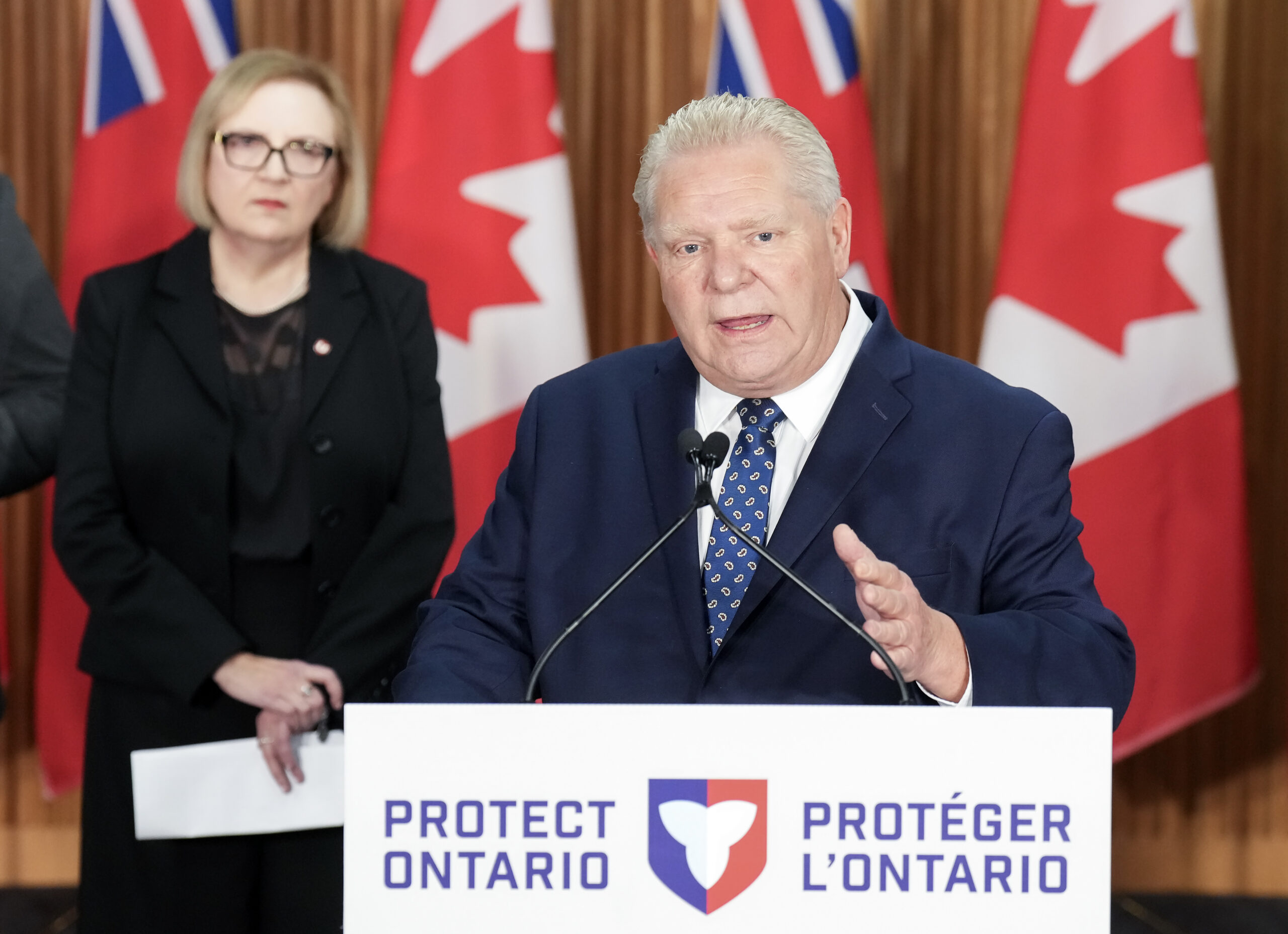
With the Premier’s Office undergoing senior staffing changes, including the appointment of a new Chief of Staff, this session presents an important window to strengthen relationships and contribute solutions-oriented ideas. While the government’s overall direction remains steady, new leadership within key offices brings opportunities for constructive engagement, especially when proposals reinforce the government’s Protect Ontario framing and support priority areas.