
Donald Trump’s 2nd administration has had an unmistakeable impact on Canada’s trade with the United States, military spending and global relationships. The reaction of Canadians to this “rupture,” to use Mark Carney’s phrase, has reshaped our politics as protecting Canadian sovereignty and building a more resilient economy has risen to the top of the agenda. Less understood is the potential impact of this disruption on Canada’s health care system, which relies on access to new research-based medicines to provide world class care.
The United States is the world’s largest pharmaceutical market, accounting for roughly half of global spending on innovative medicines. Unlike most developed countries, it does not have a single national body that determines reimbursement or value for money. Instead, a mix of public and private payers make coverage decisions. This decentralized system has historically allowed greater pricing flexibility, helping make the U.S. the primary driver of pharmaceutical innovation and often the first market in which patients gain access to new medicines.
Canada, by contrast, relies on multiple layers of review. Canada’s Drug Agency (CDA) and Institut national d’excellence en santé et en services sociaux (INESSS) in Quebec assess clinical and economic value, and the Patented Medicines Pricing Review Board monitors prices to ensure they are not excessive (excluding higher priced countries in the comparator basket such as Switzerland and the U.S.) and the pan-Canadian Pharmaceutical Alliance negotiates prices on behalf of public drug plans.
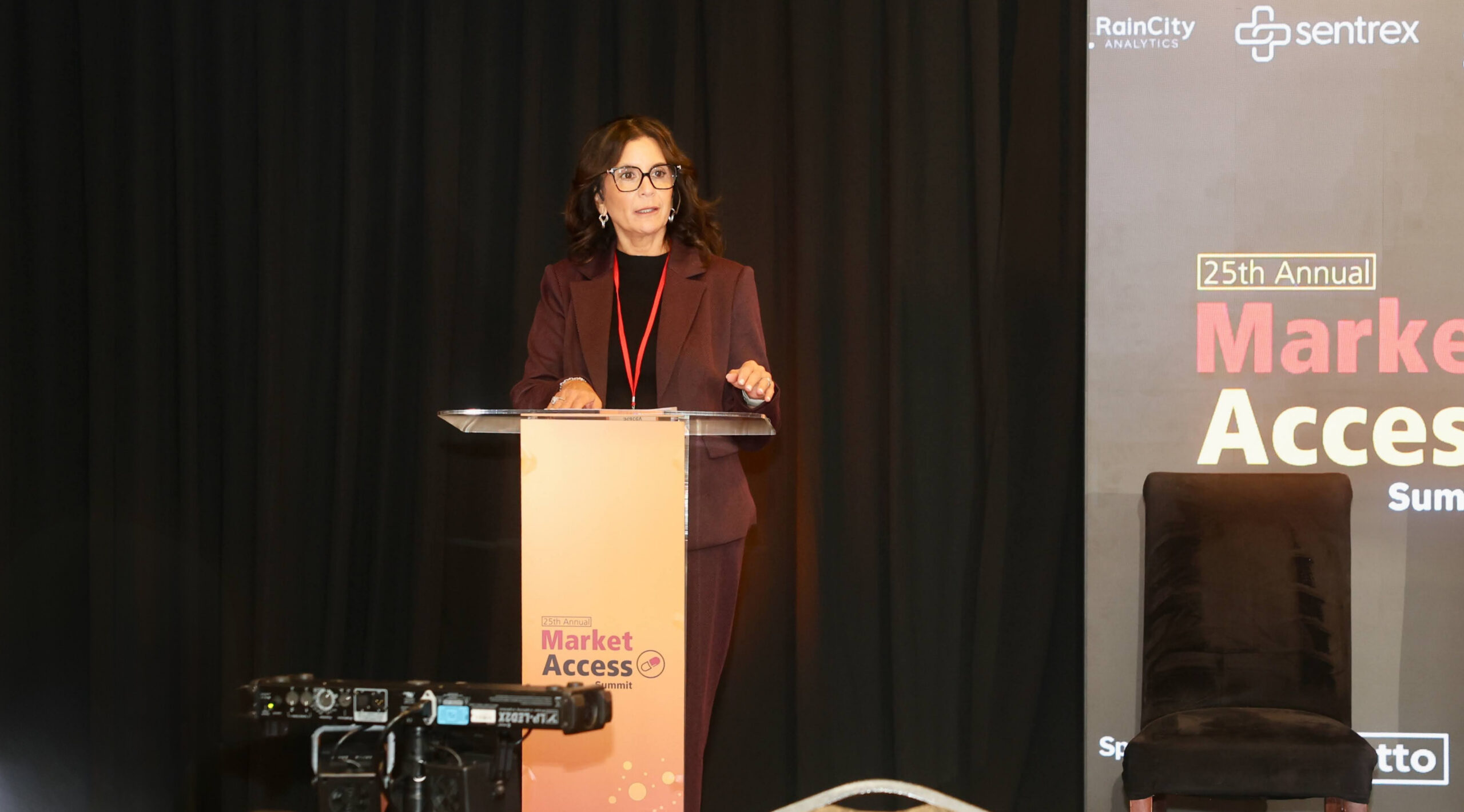
At the 25th Annual Market Access Summit, hosted this year by Counsel’s Sheamus Murphy and Stacey Silverberg, one of the most discussed topics was the impact of the Trump administration’s Most Favoured Nation (MFN) drug pricing policy will have on access to medicines in Canada and beyond.
The MFN policy seeks to align U.S. drug prices with the lowest prices available in comparable developed countries. In September 2026, the administration expanded its MFN initiative to all 50 state Medicaid programs, Washington, D.C., and Puerto Rico through the GENEROUS Medicaid Payment Model and reached pricing agreements with 26 pharmaceutical manufacturers representing approximately 89% of the branded drug market. Under these agreements, companies committed to providing Medicaid with pricing aligned with the lowest prices offered in comparable jurisdictions.
To date, MFN is the first major pricing policy to look beyond list prices and consider net prices. This has implications far beyond pricing, affecting clinical trial investment, launch sequencing, and the ability to pursue innovative agreements. As a result, stakeholders at the Summit raised concerns that MFN could make access to medicines in Canada more challenging and place additional pressure on an already complex market access environment and patients will become collateral damage.
The central question for Canada is no longer whether MFN will influence our market, but how policymakers can preserve timely access to innovative medicines in a world where Canadian prices have the potential to increasingly shape pricing decisions far beyond our borders.
Some Canadian regulators have questioned the impact that MFN may have. At the Summit, we heard from the leaders of the CDA and the pan-Canadian Pricing Alliance (pCPA), who negotiate drug prices on behalf of provincial drug programs. To date, they have not seen the impact of MFN in their statistics, as new drug approvals remain at historically strong levels. But there are strong signals that future statistics won’t be as rosy. We learned that thus far this year, only 1/3 of CDA positive recommendations have achieved a Letter of Intent (LOI) where manufacturers agreed to a price with the pCPA. Thus far in 2026, 10% of pCPA negotiations concluded without an agreement and in Q1 2026 alone, 25% of negotiations did not result in a positive outcome. For Canada, we also learned that there has been a 29% decrease in terms of Health Canada submissions for new products. The rest of the world is also reacting – with new drug launches in the EU down by 35% in the last 10 months.
This comes at a time when Canada’s innovative drug sector has already been under stress, with new medicines averaging two years from launch to first public reimbursement, roughly double the average of comparable OECD countries.
The time it takes for new medicines to move through the pCPA process demonstrates that there is room for improvement, both on the part of negotiators and manufacturers that can lack agility during negotiations. Ontario’s year-old FAST (Funding Accelerated for Specific Treatments) pilot has shown that progress is possible. Of the first ten files reviewed, nine were advanced through an accelerated pathway to public reimbursement, shortening the time to patient access by 9-12 months. This approach should be expanded across disease areas and jurisdictions. The hope is that the pCPA’s proposed Early Negotiation Process (ENP) will help achieve exactly that.
But systemic issues remain. Across Canada, new medicines that have successfully concluded negotiations with the pCPA and received an LOI still face one final hurdle: listing by provincial drug programs. While the pCPA negotiates on behalf of participating public plans, provinces ultimately retain discretion over whether and when to reimburse a product. In many cases, listing decisions are delayed by a minimum of 6 months or do not proceed, often due to fiscal pressures and competing healthcare priorities.
This is where patients, caregivers, and government relations professionals have an important role to play. Advocating for a product’s listing once an LOI is in place is not an attempt to influence an evidence-based review process. By that stage, regulatory approval has already been granted, and health technology assessments have been completed. The remaining decision is a public policy choice about whether Canadians will have access to a medicine that has already been deemed safe, effective, and worthy of reimbursement through a negotiated agreement. It is entirely appropriate to remind decision makers of the consequences that choice has for patients, caregivers, and the broader health-care system.
The implications for Canada of failing to act could be significant. The innovative pharmaceutical and R&D sector contributes approximately $25 billion to Canada’s GDP, supporting 150,000 high value jobs. If Canada is no longer a viable market for new drugs, these investments are in jeopardy with major implications for Canadian researchers. This is to say nothing of the value to patients in terms of survival, quality of life and productivity, or the cost savings to our health care system when patients finally receive the treatment they need.
The Pharmaceutical and Life Sciences Sector Task Force has helped elevate the conversation about the future of Canada’s drug access system, with recommendations that span the full continuum from regulatory review and health technology assessment to pricing, reimbursement, commercialization, and investment. Implementing meaningful reform will not be easy. It will require cooperation among federal and provincial governments, regulators, payers, and industry, all operating within a challenging fiscal environment. Yet the debate sparked by the U.S. Most Favoured Nation (MFN) Executive Order may add urgency to questions Canada has been grappling with for years: how to improve timely access to innovative medicines while maintaining affordability and supporting a globally competitive life sciences sector. If policymakers can strike that balance, Canada could strengthen its attractiveness for pharmaceutical investment, clinical research, and innovation, while delivering benefits for patients, health systems, and the broader economy.