

On political courage, Canadian politeness and the conversations we need to have.
I’ve been knocking on doors for multiple candidates during this municipal election. People have plenty to say.
At the doorstep, they will tell you exactly what’s wrong with their taxes, their neighbourhood, their roads, their local government and sometimes the entire political system. They have opinions, questions, frustrations and, occasionally, a fully developed policy platform they have clearly been waiting years to share with someone.
But one thing keeps coming up.
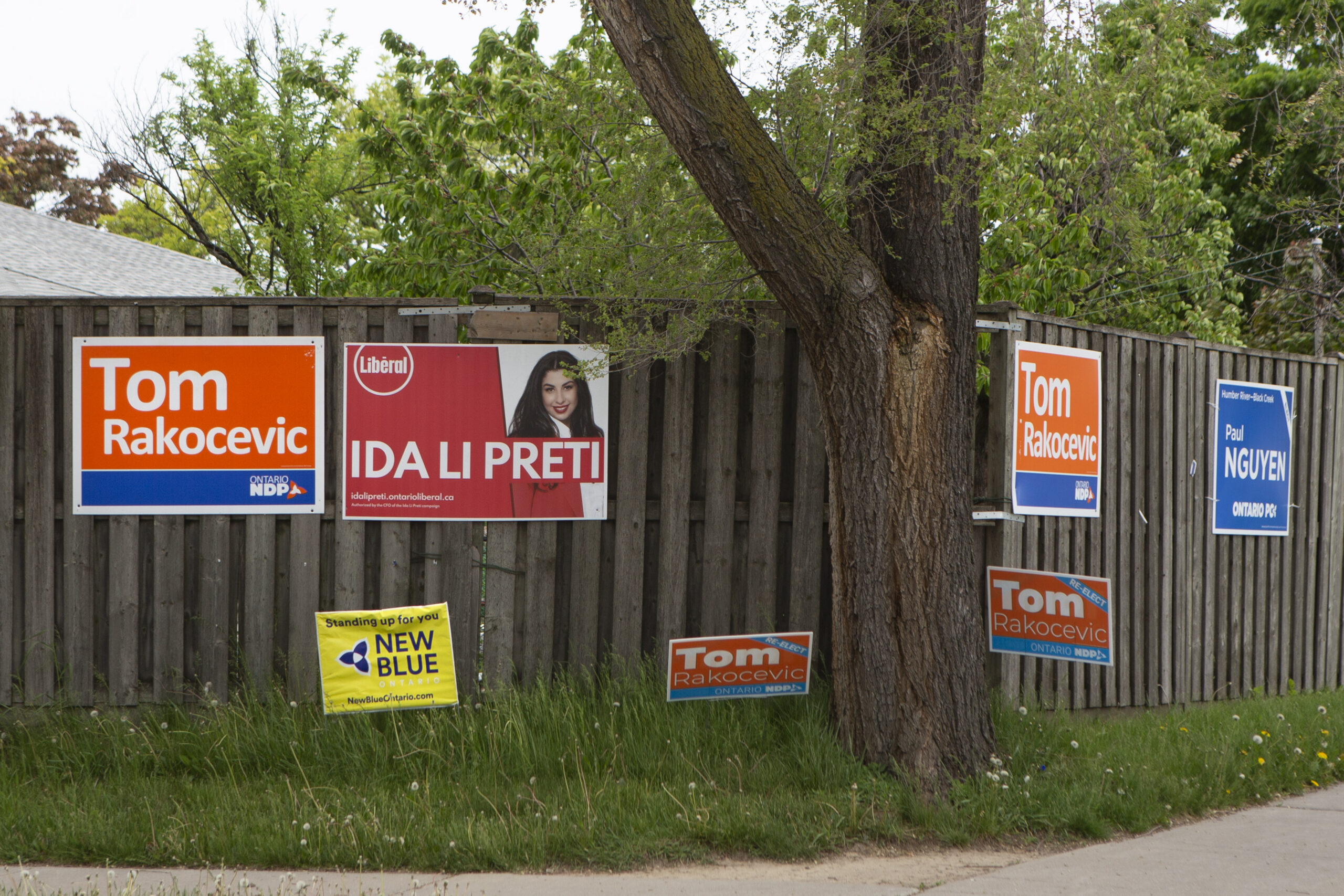
Ask them to put a sign on their lawn, to publicly support a candidate, or openly declare where they stand, and something changes.
Suddenly, politics becomes personal.
And perhaps that’s understandable. Having an opinion and being willing to express it publicly can come at a cost. A lawn sign can spark an argument with a neighbour. A political post can create tension among friends. A difference of opinion can turn an otherwise pleasant family dinner into an uncomfortable evening.
In a world where people are quick to take offence, assume the worst, or reduce someone to the candidate they support, keeping your views to yourself can feel like the easier option.
A lawn sign is hardly a scientific measure of civic engagement. Plenty of people vote without displaying a sign, and nobody owes the neighbourhood a public declaration of their political preferences.
But after enough doors, you start wondering why we can be so comfortable discussing what’s wrong with our communities in private and so reluctant to stand behind the views we express.
Is it the Canadian way? We’ve been taught not to discuss politics or religion at the dinner table. Don’t make things uncomfortable. Don’t be divisive. Be polite.
Somewhere along the way, perhaps we’ve started confusing politeness with silence.
Our schools, our property taxes, the services we rely on, and the decisions that shape our children’s futures, that’s politics, too. It doesn’t only happen at Queen’s Park, Parliament Hill or the town council chamber.
If we care enough to complain about those decisions, surely we can care enough to participate in making them.
And participation is more than voting every few years. It means asking questions, attending meetings, talking to neighbours, understanding the issues and being willing to defend a position, even when someone else disagrees.
You don’t have to put a sign on your lawn. You don’t have to announce your vote to the world. And you certainly don’t have to agree with me.
But you should feel comfortable having the conversation.
We don’t have to agree. But we do have to talk to each other, explain where we stand, question what we hear and accept that reasonable people can see things differently.
The real problem isn’t disagreement. It’s disengagement. It’s deciding that politics is too uncomfortable to discuss, then wondering why the people making the decisions don’t seem to understand us.
So, here’s my challenge: the next time you have a strong opinion about your community, don’t stop there. Ask a question. Have the conversation. Find out where the candidates stand. Vote. And if you believe in someone or something, don’t be embarrassed to say so.
You might change someone’s mind. You might have yours changed. At the very least, you’ll remind yourself that democracy is something we do, not something we watch.
And if you’ve been waiting for permission to speak up, participate or stand behind a view you believe in?
Here’s your sign.
Literally, if you want one.
But more importantly, here’s your invitation to stop treating civic engagement as something to do quietly behind closed doors.
Be curious. Be respectful. Disagree openly. Participate.
And for goodness’ sake, vote.