

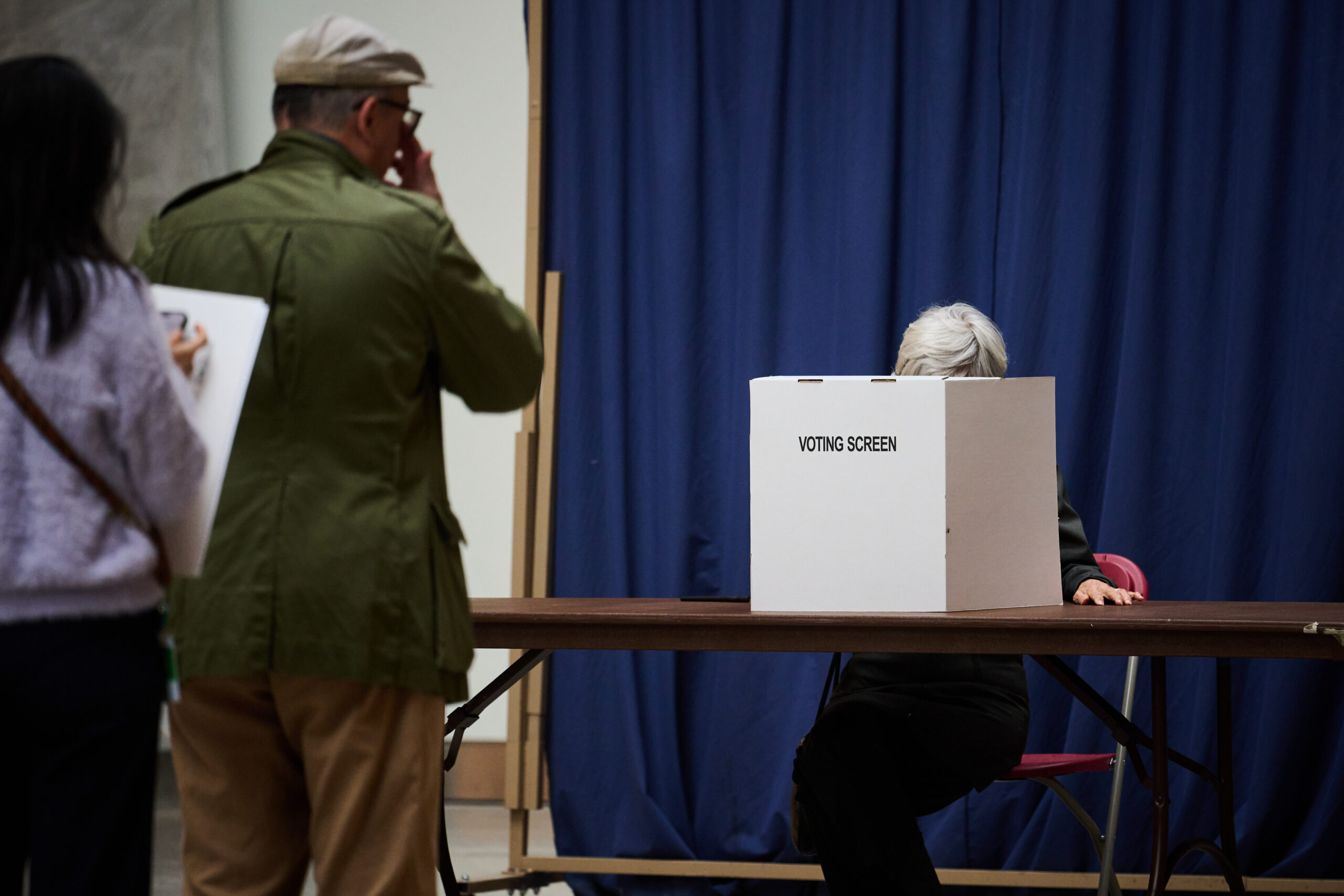
Ontario voters did not sweep every city hall clean, but in some of the province’s most prominent municipalities, they delivered an unmistakable warning to those already in power. On Monday night, incumbents in Mississauga, Hamilton, Oakville, Milton, Kingston, Windsor, Waterloo and Niagara Falls were among those who lost their seats. Now, as new leaders (some with little to no direct political experience) prepare to take office, Ontario municipalities face a consequential test: will a change in the people at the table produce a meaningful change in municipal priorities and policies over the next four years and beyond?
A snapshot prepared by the Association of Municipalities of Ontario demonstrates the extent of this desire for change. Across Ontario, 46% of heads of council running for re-election – nearly half – were defeated. The number was slightly higher, 52%, in Ontario’s largest municipalities. A third of all incumbents seeking re-election to municipal office similarly lost. Nearly 4 in 10 municipal councillors across Ontario are new to council.
With so many sitting mayors and councillors defeated, it raises questions about whether the once-formidable advantage of municipal incumbency is still insurmountable. This election suggests that Ontario municipal voters were unsatisfied and wanted change, creating a tough dynamic for sitting elected officials’ facing voters who wanted a fresh approach for their communities. Because municipal politicians typically run without the formal party affiliations of their federal and provincial counterparts, voters are more inclined to look beyond party platforms and judge candidates on their individual records, on what they accomplished and, perhaps just as importantly, what they failed to deliver. When expectations go unmet, even long-standing incumbents can become vulnerable to calls for change.
The issues driving that demand for change also offer a window into the broader challenges facing municipalities across Ontario. Poverty, homelessness and mental health & addiction challenges remain a pressing concern. At the same time, rising housing costs are affecting people across income levels and demographics, underscoring that affordability extends beyond municipal boundaries and requires coordinated action from all levels of government.
These affordability pressures are mirrored in the financial challenges facing municipalities themselves. Local governments must find ways to fund major capital projects, replace aging infrastructure, maintain essential services and manage rising operating costs without placing additional pressure on taxpayers through property tax increases. This has renewed scrutiny of how municipal services are delivered and whether alternatives, such as privatization and contracting out, could offer greater efficiencies and savings. From garbage collection and public transit to water services and snow clearing, municipalities take different approaches, each with its own costs and trade-offs. As local governments face mounting pressure to demonstrate value for taxpayers’ dollars, this debate is likely to remain a prominent feature.
For newly elected officials, addressing these competing demands will also mean navigating an evolving municipal governance framework. Strong Mayor Powers have shifted the balance of authority within some municipal councils, while the anticipated appointment of Regional Chairs raises further questions about leadership, accountability and decision-making. These structures will shape how incoming leaders set priorities, work with council colleagues and respond to residents’ expectations. Their ability to work within these changes while delivering on campaign commitments will be an important test of their effectiveness.
Last week’s results are also an important signal for the Ontario government – but with an ultimate meaning that will take time to unfold. Structural changes to municipal government introduced by the province over the past several years were intended to drive better, faster decision-making. Voters have expressed their frustration and are demanding more from their municipal government. If municipal leaders don’t believe they have the tools to deliver change, their relationship may become more assertive and contribute to a challenging provincial-municipal dynamic in the coming years. There is good reason for the Ford government to pay attention to what drove this message from voters so they can proactively address any growing mood for change spreading beyond the city halls to Queen’s Park.
Ontario voters have shown that they are willing to change the people who run their local government. The harder question is whether new leaders can change the outcomes residents experience – and expect. Voters expressed their frustration with the status quo and demanded fresh approaches to solve difficult challenges. Campaign promises may win an election, but only visible progress on affordability, services and community well-being will determine whether this moment marked a true turning point, or simply a change of names around the council table.