

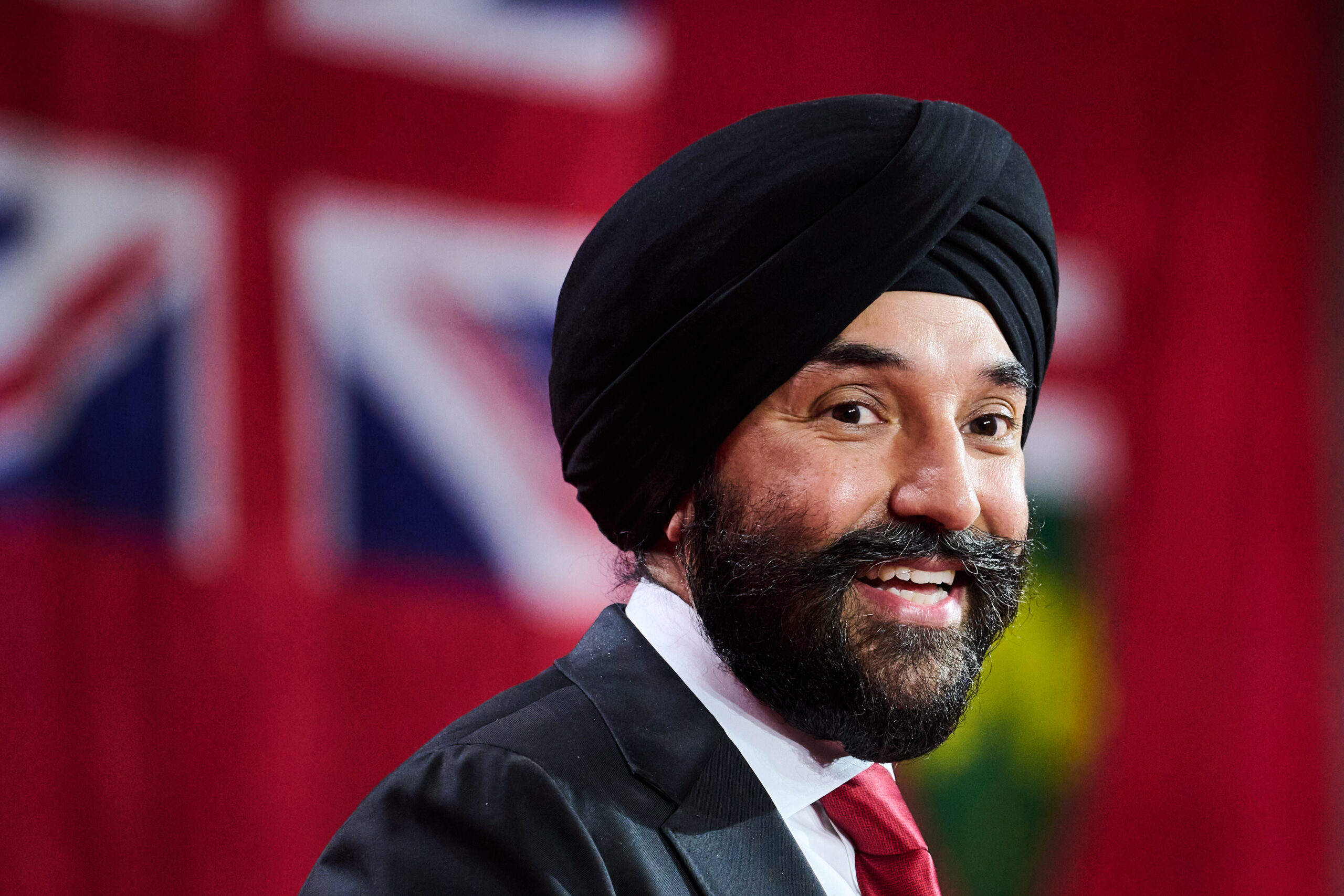
The Ontario Liberal Party has a new leader. Navdeep Bains, the former Trudeau-era federal minister, secured a narrow victory and become the third OLP leader in just six years.
Bains defeated Etobicoke-Lakeshore MPP Lee Fairclough on the third ballot of the party’s first fully online, ranked-ballot vote. The race also included Stephanie Bowman, MPP for Don Valley West, and Dylan Marando, a former political staffer and policy adviser.
Counsel dives into the key takeaways from the weekend’s leadership vote and what it may foreshadow for the new leader as he begins the work to unify the party, introduce himself to Ontario voters and put forward an effective contrast to Premier Doug Ford’s government.
Narrow Margin of Victory
Bains did not win because he was everyone’s second choice. Early review of the ballot results suggests that more than three-quarters of the Bowman and Marando early ballot voters moved to Fairclough, and Bains grew very little between ballots. He won because he had a strong first ballot and picked up just enough second and third choice support to edge over the line. Bains defeated Fairclough on the third ballot by just over 0.6 percentage points, and an analysis by Liaison Strategies concluded that a mere five votes at two university campus clubs were the potential margin between a Bains win and a Fairclough victory.
Bains’ decision to avoid attacking his rivals is better understood as a governing strategy than a vote-winning one. It may have softened the “anybody but Bains” sentiment, which could have been stronger had he gone on the offensive, and it should make it easier to bring the party together now. But the outcome was not a consensus choice.
Keeping Friends Close – Fairclough, Bowman and Marando
The most pressing question is how Bains moves forward after his narrow win. As the saying goes: keep your friends close, your enemies closer – and those who almost beat you in a leadership contest even closer than that. The smart approach is to identify where he fell short, take the best talent in those areas into his team and use them to build bridges.
An early reflection will be his approach to working with Lee Fairclough, whose emergence was the story of this race. Relatively unknown before the campaign, even among the party faithful, she made a compelling case that resonated with a large share of the membership. Nearly half of final round support was behind her. As a sitting MPP, she also has an established platform at Queen’s Park to push back against Doug Ford and lay out the Liberal agenda. Bains will be carefully considering how to empower Fairclough with a very strong role in his caucus and leadership team.
Stephanie Bowman, despite entering the race shortly before the deadline, established herself as an experienced and capable voice. A promotion for her, perhaps on the fiscal and economic side, would reinforce Bains in an area that he positioned as central to his leadership pitch and reward a candidate whose supporters largely moved to Fairclough.
Dylan Marando, as a relative neophyte, particularly impressed. A happy warrior and an ideas man, he brought energy and fresh thinking and secured a respectable near-10 percent of the first ballot vote, which suggests an appetite within the party for new voices. It won’t be surprising to see him make another push to enter the Ontario Liberal ranks at Queen’s Park in the next provincial election.
A Familiar Trend – A Leader Without a Seat
As was the case with his two predecessors, Steven Del Duca and Bonnie Crombie, Bains does not hold a seat in the Legislature. Since Doug Ford first became Premier in 2018, the Ontario Liberal Party has not had a permanent leader who simultaneously held a seat at Queen’s Park. A leader who can directly challenge the Premier during Question Period and participate in legislative debate has an important and visible advantage.
This was a significant issue for many members and for caucus during the campaign. Bains secured the support of only one sitting caucus member, Andrea Hazell, while most of the others backed their legislative colleagues, Fairclough or Bowman. In choosing Bains, members prioritized his deep experience, economic chops and likeability over immediate legislative presence. He will need other ways to maintain a visible presence and establish himself as the face of the opposition, and he has said he will aim to secure a seat through a by-election at the earliest reasonable opportunity.
The Opposing Take – What’s New is Old
The challenge now shifts from winning over party members to introducing Bains to the broader Ontario electorate, and the governing PC Party isn’t waiting. Premier Ford and his caucus allies are already highlighting Bains’ record as a former federal minister under Justin Trudeau. Graham McGregor, a member of Ford’s cabinet attending the convention as an observer, quickly underscored what will be a familiar line of attack. Bains’ time in federal politics gives the Conservatives considerable material to build a narrative around him before he has an opportunity to define himself.
Time to Build
A grassroots organizer at heart, Bains must show that his federal experience can translate into an effective provincial political operation. His immediate priorities are establishing a clear political identity, rebuilding the party’s organizational strength and developing a compelling policy agenda. Expect him to focus on economic development, affordability and innovation, themes that align with his federal government and private sector experience.
Choosing a leader is only the first step. Whether Bains can turn a narrow victory into momentum, unite a party that nearly chose someone else and position it to challenge Doug Ford will be the defining questions heading into the next provincial election.