
Why strong candidates fall short
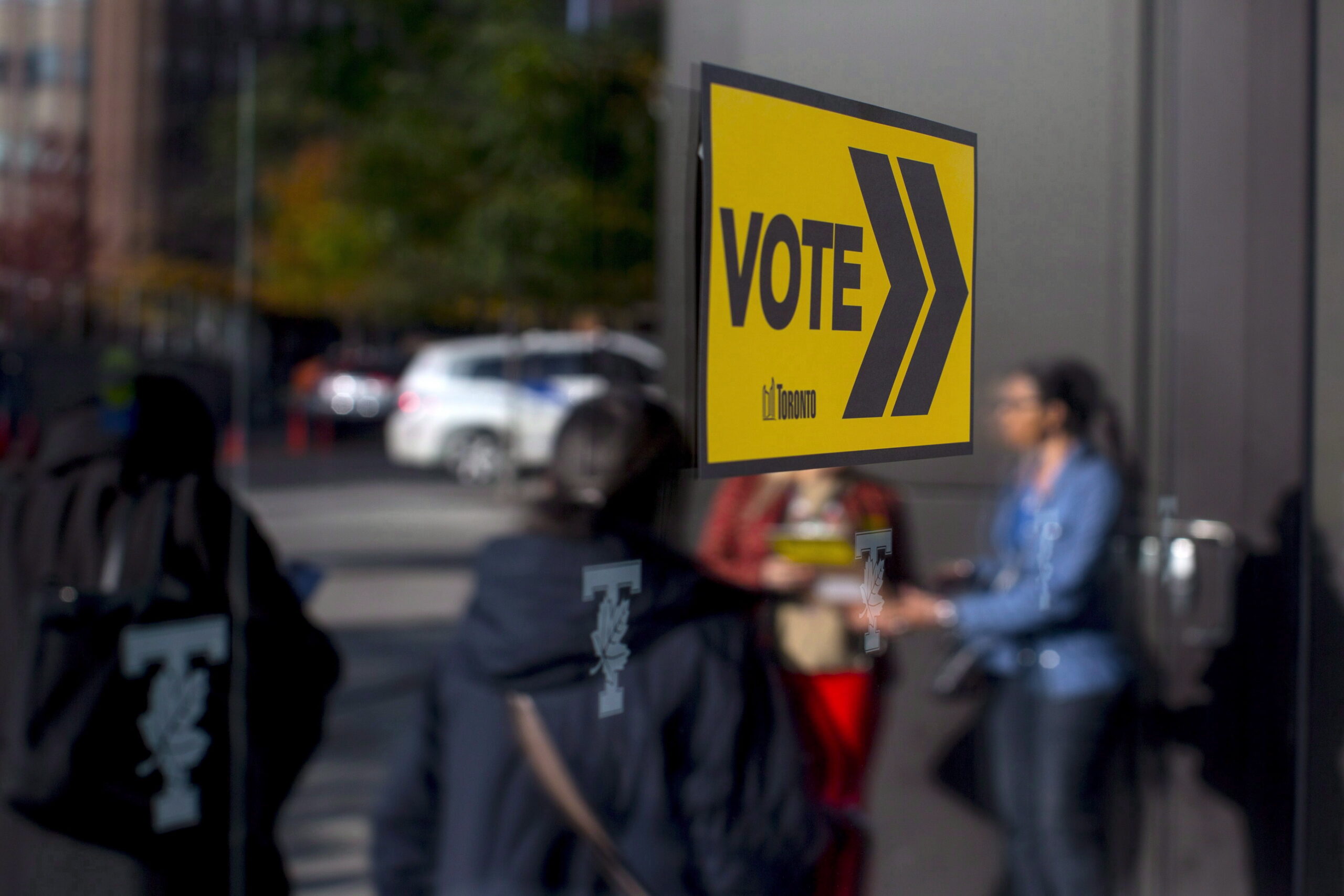
As we get closer to the 2026 Ontario municipal elections this fall, many strong candidates are starting to come forward wanting to serve their communities. The sad reality is, many will fall short.
When a capable municipal candidate loses, the easy conclusion is that they failed to connect with voters. Sometimes that may be true. Campaigns matter, and candidates must persuade. But losses can also reflect the structure of the race more than the calibre of the person running.
Incumbency can be especially difficult to overcome. A sitting representative has ongoing visibility through the legitimate work of the office, relationships with community groups, and a record that voters can recognize, even if they have not examined it closely. Challengers must introduce themselves, explain why change may be needed, and convince voters that a new choice is worth considering.
There is also a coordination problem. In races with multiple challengers, voters who want change may not agree on which candidate is best positioned to deliver it. A thoughtful, capable challenger can be one of several alternatives, while the incumbent benefits from a consolidated base of recognition. The result can make the winner look inevitable after the fact, even when the underlying appetite for different leadership was real.
None of this means voters are careless. It means municipal elections ask a lot of people. Ballots can be long, local media is stretched thin, and municipal issues rarely receive the same sustained attention as provincial or federal politics. In that environment, shortcuts become powerful. The familiar name, the incumbent title, and the perception of viability can carry considerable weight.
Electability Is Not Excellence
Across Ontario, municipal campaigns expose an uncomfortable tension; the difference between the candidate most likely to win and the candidate most prepared to serve. We like to imagine local elections as a clean test of ideas, competence, and community trust. They are also shaped by name recognition, incumbency, local networks, voter habit, timing, and the increasingly scarce resource of public attention. Politics is not a vertical climb to the top like most typical careers; it’s a jungle gym without the safety net.
That does not make electability irrelevant. A strong candidate still needs to earn trust, communicate clearly, build support, and run an effective campaign. But it does mean that “winnable” and “high-calibre” are not always the same thing. A candidate can be well positioned because the variables of the election favour them, while another may bring strong judgment, community commitment, policy understanding, and leadership potential yet struggle to overcome lower visibility or a more established opponent.
The Power of Being Known
Municipal elections are often described as the purest form of local democracy. In many ways, they are. Candidates knock on doors, attend community meetings, answer questions at coffee shops, and make direct appeals to neighbours. But local democracy also has a structural challenge: many voters know very little about the candidates beyond the names they have heard before.
That makes name recognition enormously powerful. An incumbent councillor has spent years appearing in newsletters, attending events, responding to constituent issues, speaking at council, and being quoted in local coverage. Even when residents are not closely following municipal affairs, the name becomes familiar. On election day, familiarity can feel like safety.
Electability is not the same as public service potential
Political observers, community leaders, donors, volunteers, and engaged residents often ask one practical question early in a race: Can this person win? It is a reasonable question. Elections are contests, and campaigns require resources, discipline, and momentum. But it should not be the only question.
A winnable candidate may be the person best positioned within the variables of a given election. They may benefit from a crowded field, an established profile, existing relationships, or a moment when voters are looking for continuity. These advantages can be meaningful, but they are not the same as vision, diligence, collaboration, or integrity.
By contrast, a quality candidate may begin with less. They may be new to electoral politics or lack the visibility that comes with years of public office. Yet they may be the person who has done the homework, listened carefully, built bridges across different parts of the community, and demonstrated the seriousness required to govern.
Looking beyond the likely winner
Municipal elections should be about more than who has the clearest path to victory. They should be about who has the capacity to serve well. But that view has to be grounded in reality. Low turnout, uneven information, voter fatigue, and the pull of personality all shape outcomes. The challenge is not to pretend politics operates as a perfect meritocracy. It is to raise the quality of the conversation while fully understanding that it often rewards something else.
Electability matters. A candidate must be able to build support, communicate a message, and earn trust. But electability should not become the only standard, especially when it is shaped by advantages that have little to do with governing ability. A community that mistakes familiarity for quality may miss leaders who deserve closer consideration.
The best candidate does not always win. Sometimes the better-known candidate does. Sometimes the better-organized candidate does. Sometimes the candidate who can simplify the message, capture attention, or benefit from voter habit has the edge. That is the hard truth of municipal politics. But if we are serious about local democracy, we should at least be honest about what is being rewarded, and careful not to confuse the candidate most likely to win with the candidate most prepared to serve.
This piece is the first in a series examining the realities of Ontario municipal politics ahead of the 2026 elections. In future pieces, I will explore the challenges facing candidates, the evolving expectations of voters, and what it takes to build effective local leadership in an increasingly complex political environment.