

Premier Smith Shuffles Cabinet: What Alberta’s New Ministry Lineup Signals for Stakeholders
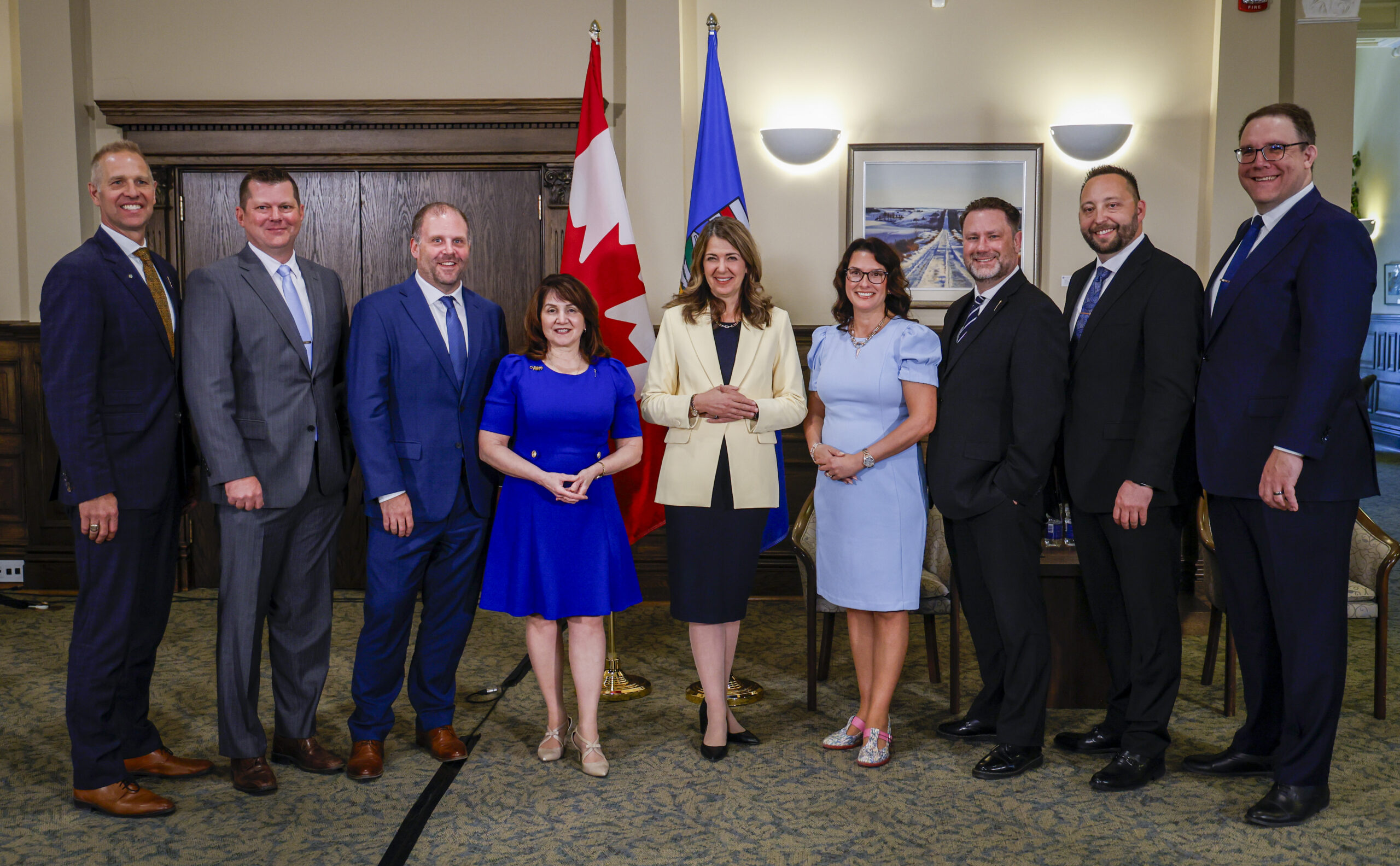
Premier Danielle Smith announced a major cabinet shuffle today that includes significant movement of senior ministers to new portfolios and offers an early look at the government’s political and policy priorities just over a year out from the next provincial election.
The shuffle comes at a critical moment in the UCP Government’s mandate as Smith tackles a series of issues including health system restructuring, affordability pressures, internal caucus management, economic diversification efforts, in addition to an increased focus on Alberta’s long-term competitiveness.
This change among senior government leadership focuses less on dramatic ideological change and more on operational execution, political management, and strategic positioning that is critical in the period leading up the next provincial election.
Highlights from the Shuffle
New Portfolio Assignments
- Hon. Neudorf: Minister of Assisted Living and Social Services
- Hon. Jason Nixon: President of Treasury Board and Minister of Finance
- Hon. RJ Sigurdson: Minister of Affordability and Utilities
- Tara Sawyer (new to Cabinet): Minister of Agriculture and Irrigation
- Hon. Adriana LaGrange: Minister of Hospitals and Surgical Health Services
- Justin Wright (new to Cabinet): Minister of Primary and Preventative Health Services
Brandon Lunty, MLA for Leduc-Beaumont, will serve as the chief government whip. Scott Cyr, MLA for Bonnyville-Cold Lake-St. Paul, will serve as the parliamentary secretary for transportation and strategic development.
Ministers Retaining Existing Portfolios
- Hon. Mike Ellis, Deputy Premier and Minister of Public Safety
- Hon. Mickey Amery, Minister of Justice, and Deputy House Leader
- Hon. Andrew Boitchenko, Minister of Tourism and Sport
- Hon. Devin Dreeshen, Minister of Transportation and Economic Corridors
- Hon. Tanya Fir, Minister of Arts, Culture and Status of Women
- Hon. Nate Glubish, Minister of Technology, and Innovation
- Hon. Grant Hunter, Minister of Environment and Protected Areas
- Hon. Brian Jean, Minister of Energy and Minerals
- Hon. Todd Loewen, Minister of Forestry and Parks
- Hon. Martin Long, Minister of Infrastructure
- Hon. Myles McDougall, Minister of Advanced Education
- Hon. Dale Nally, Minister of Service Alberta, and Red Tape Reduction
- Hon. Demetrios Nicolaides, Minister of Education and Childcare
- Hon. Rajan Sawhney, Minister of Indigenous Relations
- Hon. Joseph Schow, Minister of Jobs, Economy, Trade, and Immigration
- Hon. Searle Turton, Minister of Children and Family Services
- Hon. Dan Williams, Minister of Municipal Affairs
- Hon. Rick Wilson, Minister of Mental Health, and Addiction
Ministries and Portfolios to Watch
Finance and Treasury Board (Hon. Jason Nixon)
Minister Nixon’s move into Finance signals an experienced political and communications-focused approach to fiscal management heading into the next election. With Alberta continuing to manage deficit pressures, infrastructure demands, affordability concerns, and volatile resource revenues, stakeholders should expect a strong emphasis on spending discipline, economic competitiveness, and affordability measures. Nixon’s appointment also suggests Cabinet may place greater focus on caucus management and political execution as Budget 2027 approaches.
Affordability and Utilities (Hon. RJ Sigurdson)
The current prominence of the affordability and utilities portfolio reinforces that affordability remains one of the government’s key political priorities. Utility regulation, electricity market reform, affordability supports, grid reliability, and consumer cost pressures are expected to remain active files over the next year. Organizations operating in energy, utilities, consumer services, housing, and regulated sectors should anticipate continued policy reform.
Hospitals and Surgical Health Services (Hon. Adriana LaGrange)
The restructuring and further specialization of Alberta’s health care system remains one of the provinces most significant and politically sensitive policy issues. The decision to keep Minister LaGrange in a senior health portfolio signals the Premier’s desire for continuity in the health system transformation agenda, despite scrutiny surrounding procurement controversies and system restructuring. Surgical capacity, wait times, hospital governance, workforce pressures, and health infrastructure delivery are likely to remain key priorities.
Technology and Innovation (Hon. Nate Glubish)
Nate Glubish retaining Technology and Innovation signals the government’s continued government focus on AI, data centres, digital infrastructure, cybersecurity, and attracting new innovative industries. Recent government messaging has increasingly emphasized Alberta’s positioning as a destination for technology investment, AI development, and innovation-driven economic growth. Organizations operating in telecommunications, AI, energy-intensive infrastructure, and digital services should expect ongoing opportunities tied to Alberta’s competitiveness and sovereign data infrastructure discussions.
Energy and Minerals (Hon. Brian Jean)
Energy and responsible natural resource development will remain at the heart of Alberta’s economic and political agenda. This is particularly important amid ongoing federal-provincial discussions related to emissions policy, energy regulation, industrial competitiveness, and infrastructure development. With Premier Smith continuing to position Alberta aggressively on resource development and economic sovereignty issues, the Energy and Minerals portfolio will remain a critical file for industry stakeholders, investors, utilities, and large industrial operators.
Primary and Preventative Health Services (Hon. Justin Wright)
The appointment of Justin Wright to Primary and Preventative Health Services suggests the government is continuing to restructure Alberta’s health system, with a growing focus on family doctors, preventative care, and delivering more services closer to communities and patients. Stakeholders in the primary health, digital health, pharmaceuticals, continuing care, and community-based health care delivery should monitor how responsibilities and funding models evolve under the province’s broader health restructuring efforts.
What This Means for Stakeholders
Cabinet shuffles can materially change:
- decision-making pathways,
- stakeholder access points,
- ministerial priorities,
- and the pace of regulatory or legislative files.
This shuffle serves as an important reminder that changes in ministerial portfolios have significant implications for the pace and direction of policy development, regulatory modernization, and decision-making. The coming weeks will involve recalibrating engagement strategies and reassessing how priority files align with updated government mandates.
The most effective organizations are often those that move quickly following a cabinet shuffle by meaningfully engaging early with new ministers, chiefs of staff, and senior ministry officials before shifting priorities are solidified.
What’s Next?
With just over a year remaining until the next scheduled provincial election in October 2027, Premier Smith is repositioning and realigning both her government and caucus for the final phase of this government’s current mandate.
The coming months will likely involve renewed mandate direction across several ministries, adjustments to stakeholder engagement approaches. It will also include continued movement on major government priorities already underway, including health system restructuring, affordability measures, energy and infrastructure development, municipal relations, and economic diversification initiatives. Stakeholders should also anticipate increased political sensitivity around policies tied to cost-of-living pressures, public service delivery, and regional economic growth.