
What a difference a few hours can make in BC politics.
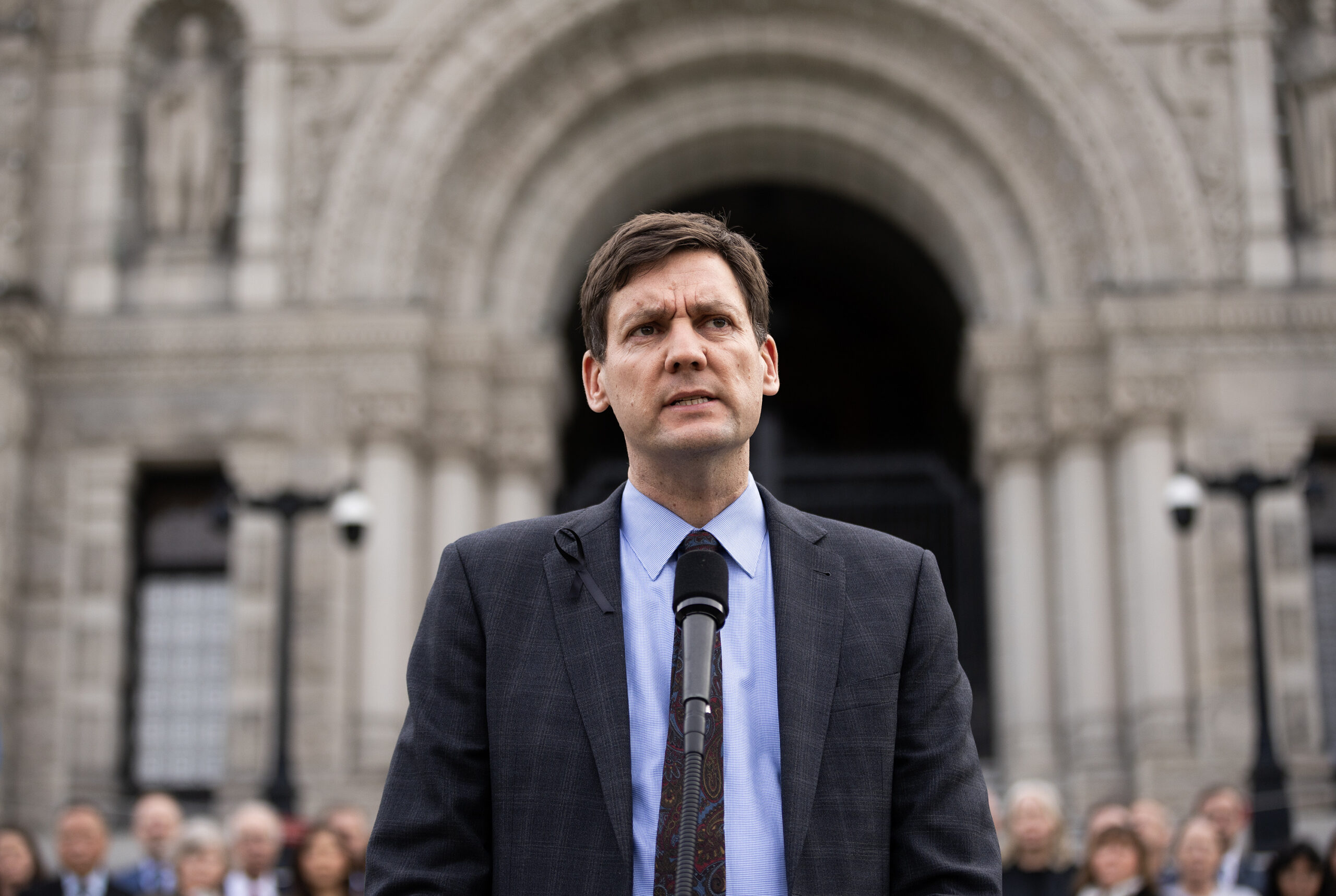
As late as Sunday afternoon it appeared that Premier David Eby was headed for a major showdown with First Nations and perhaps even some members of his own caucus as it appeared he was moving forward with legislation that would have temporarily suspended some portions of the Declaration on the Rights of Indigenous People’s Act or DRIPA.
Later in the day, Eby pulled that option off the table, agreeing not to introduce legislation this session, a dramatic change from previous public statements.
By Monday afternoon, the BC Government and First Nations Leadership Council had released a joint statement agreeing to work on “a path forward to discuss and consider the government’s stated legal concerns, while upholding the title and rights and human rights of First Nations.”
It is a significant shift from previous statements, where council president and former government ally Grand Chief Stewart Phillip referred to proposed legislative changes as “a betrayal.”
This announcement significantly turns down the temperature on an issue that has dominated BC’s political discourse since late last year and put at risk landmark legislation passed unanimously by the BC Legislature in 2019. However, it does not resolve the economic uncertainty that resulted in Eby’s original decision to push for changes to DRIPA.
Counsel Public Affairs has been closely monitoring this issue. Here are why changes were advocated by the Premier in the first place, why that path was blocked by external and internal pressures, and what will be the next steps in the process.
Why Did the Premier Call for Changes?
Eby proposed making changes to DRIPA in response to a BC Court of Appeal ruling involving the Gitxaała First Nation that found the province’s system of approval of mineral rights is inconsistent with the landmark legislation passed unanimously in the BC Legislature in 2019.
The province is appealing the ruling to the Supreme Court, which is significant for two reasons:
- The ruling creates uncertainty in the natural resources sector at a time when the provincial government is counting on a series of resource development projects to move forward to create economic activity and jobs as part of its Look West economic development strategy.
- More significantly, the BC Government said this ruling could potentially impact legislation where the functioning of government and issues involving First Nations intersect, creating uncertainty at a time when BC is already facing an economic slowdown.
What are the Internal and External Pressures Facing Government?
Despite Eby’s original intention to change DRIPA through legislation, getting it passed in the BC Legislature given the government’s slim one-seat majority is easier said than done.
- The Opposition Conservatives want the government to repeal DRIPA and will not support a bill that only alters or suspends it.
- The two-member Green Caucus wants DRIPA to remain as is.
- Despite efforts to bring some of the six independent MLAs on board, it remains unlikely that any would vote with government on this issue.
But the biggest concern for Eby was pressure within his own caucus where full support of a legislative change was far from certain.
This issue has been especially difficult for three Indigenous BC NDP MLAs including Vancouver-Strathcona MLA Joan Phillip, the wife of Chief Phillip, Cowichan Valley MLA Debra Toporowski, and North Coast-Haida Gwaii MLA Tamara Davidson, who also serves as the province’s Environment Minister.
With those issues in mind, and with intense pressure coming from Indigenous leaders, Eby first backed down on his plan to bring legislation forward on a confidence vote that could have brought down the government and resulted in an election. And on Sunday, Eby opted to stand down completely, buy time, and seek a negotiated solution with Indigenous leaders.
So, What’s Next?
The joint statement between BC Government and the First Nations Leadership Council and Eby’s decision to back down on legislative changes during the spring session reduces short-term tension.
However, the issues that resulted in the Premier’s desire for changes to DRIPA still remain. Despite the good intentions of a joint statement, any potential changes in legislation would have to wait until the fall session of the BC Legislature which does not begin until October. Given the focus of BC Conservative leadership candidates on this issue, we can expect the topic to remain front and centre leading up to their leadership vote, and beyond.
And a successful Supreme Court ruling, or even if and when the court would hear it, is far from a certainty.
In short, while the immediate point of tension has been relieved, the pressure on government will continue to intensify.
Counsel Public Affairs will continue to monitor this issue and how it affects you.