With polls in the Canadian federal election having closed 345 days ago, the Counsel decision desk can finally call it – we are projecting a Liberal majority government.
With the shock floor crossing of former Conservative MP Marilyn Gladu, the Liberals are all but assured a majority government following the by-elections on Monday, April 13. Two of Monday’s by-elections are considered safe Liberal seats, with the third contest in Terrebonne expected to be a coin toss.
Even if the Liberals lose Terrebonne on Monday, the two Liberal seats in the GTA will bring them to the magic number of 173 – a one-seat majority when factoring in the speaker of the House of Commons.
What does this mean?
- For the first time since 2019, Canada will have a majority government.
- If the Liberals don’t call an early election, Parliament will last until the next legislated fixed election date, which is October 15, 2029.
- Once the by-election results are certified, the Liberals are likely to reconstitute the membership of committees in the House of Commons, affording them majority control of all committee functions.
- While committees will still study legislation, we can expect bills to move much faster than we have become accustomed to. Bills that died in the last parliament (eg, Privacy and online harms) may be reintroduced once the new government has had a chance to put its stamp on them.
- Stakeholders and advocacy organizations will no longer have to plan year-to-year on the assumption of an imminent snap election. You will have breathing room to carry out more complex, ambitious budget and law reform efforts – including introducing brand-new policy ideas that will require more time to take root.
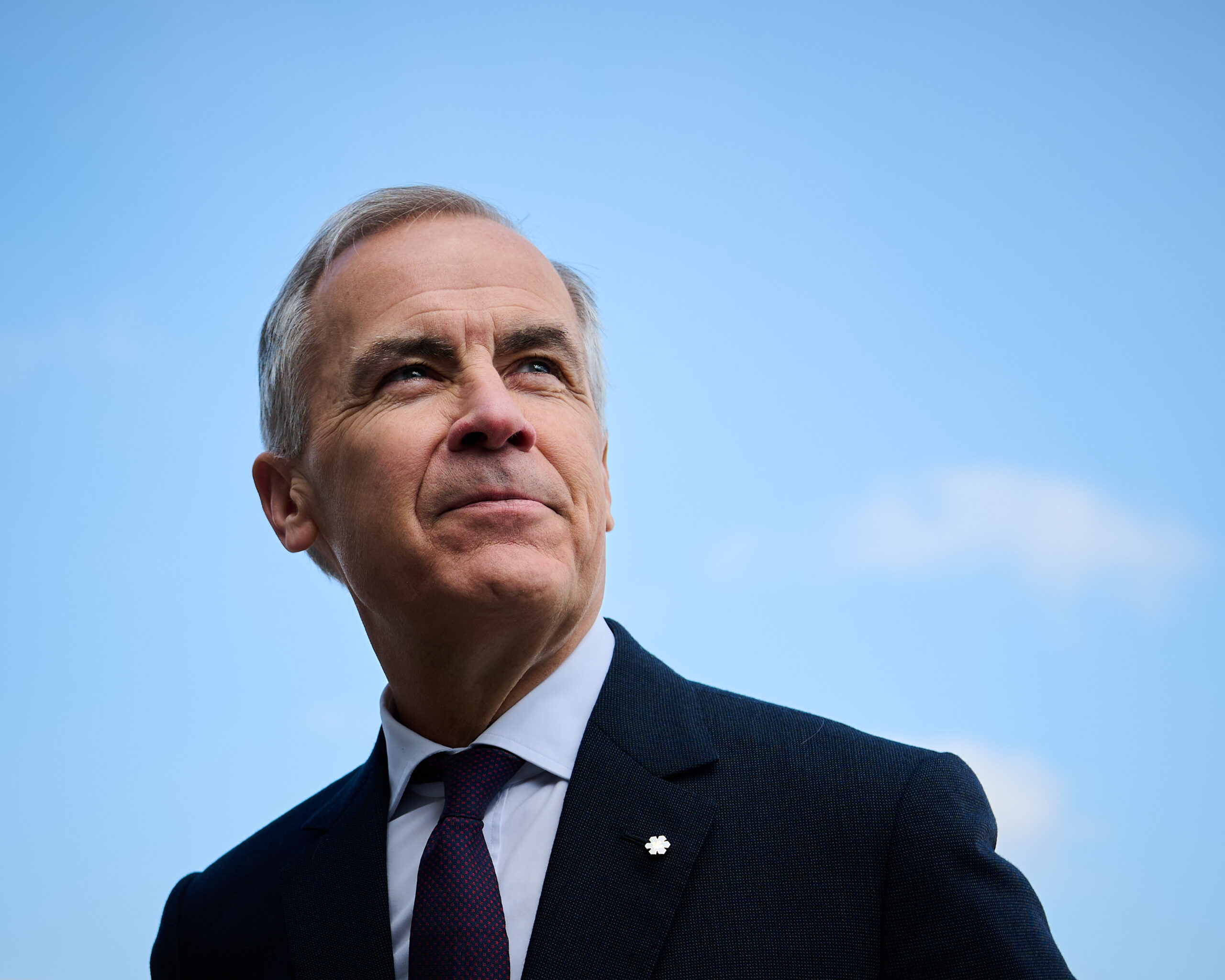
- Prime Minister Mark Carney will now have the option of acting more boldly and taking more risks, as he will no longer have to worry about losing a confidence vote in the House of Commons, assuming he can keep his caucus united. Expect the government to make decisions in the short term that may be less popular with the Liberal base, such as concluding the MOU with the Government of Alberta. The Carney government will also have a stronger hand to play with the Trump Administration – even if it requires Canada to suffer short-term pain to reach a new trade agreement.
We will have more analysis in the coming days, but now is a good time to rethink your medium-term advocacy goals, as you can get a lot accomplished with a three-year runway.